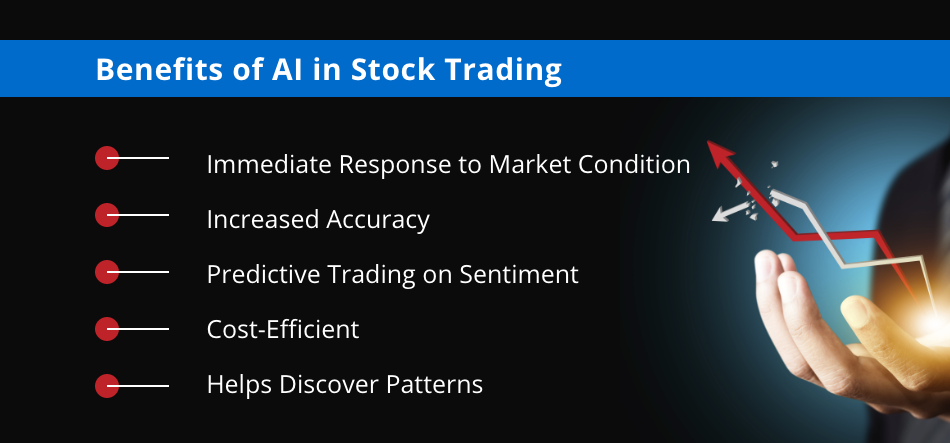
Top 10 Tips To Assess The Integration And Compatibility Of Ai-Based Stock Forecasting And Trading Platforms
AI platforms for trading stocks that forecast and analyze stocks based on AI must have compatibility with each other. Integrating your platform into existing tools, systems and workflows is a excellent way to improve efficiency. Here are the top 10 ways to evaluate the compatibility and integration of these platforms.
1. Check Brokerage Integration
Integration of the platform with your preferred broker or trading accounts: Make sure whether the platform integrates with the brokerage you have chosen or account.
Trade execution: Determine whether your platform allows you to make trades directly through an integrated broker.
Account Synchronization: Check whether your platform is able to sync real-time account balances along with positions and transaction histories.
2. Review API Accessibility
API access: Make sure the platform has an API (Application Programming Interface), which lets developers create customized tools and automate workflows.
API documentation: Ensure that the API is documented well by providing examples and usage-cases.
Rate Limits: Examine the API’s rates limits to make sure that they are reasonable and can accommodate your expected usage.
3. Examine Third-Party Integration
Popular tools See if there are any integrations between the platform as well as tools such as Google Sheets, Excel, or trading robots.
Data export/import: Ensure the platform permits easy export and import of data to and from other tools.
Extensions/Plugins: Make sure your platform is able to support extensions and plugins to provide more features.
4. Test Compatibility for Operating Systems
Desktop compatibility: Make sure the platform works on your preferred operating system (Windows, macOS, Linux).
Mobile compatibility: Verify whether there’s an application that is mobile compatible available for iOS or Android.
Access via the internet (for additional flexibility) Check that the platform is accessible using a webbrowser.
5. Evaluation of Data Integrity Capabilities
Data sources. Ensure the platform has numerous data integrations (e.g. data providers for social media, market sentiment news feeds, etc.).
Real-time analytics: Make sure your platform supports real-time analysis.
Import historical data: Determine if the platform permits importing historical data to backtest or analyze.
6. Verify compatibility between cloud and on-premise
Cloud-based Platforms: The platform must be available anywhere there is an internet connection.
Solutions on-premise: If prefer on-premise deployment, confirm if the platform supports it.
Hybrid options: Check whether the platform supports a hybrid model combining cloud and on-premise capabilities.
7. Check for Cross Platform Syncronization
Device synchronization. Make sure the platform is synchronized to transfer settings and data between the devices (desktops/laptops/mobiles/tablets).
Verify whether changes made on one device reflect on another.
Offline Access: Make sure to determine if there are any restrictions to the platform’s functionality or access to data when it is offline.
8. Evaluate Compatibility with Trading Strategies
Algorithmic trading – Ensure that the platform you select supports automated or algorithms trading strategies.
Custom indicators – Check to see if the platform permits the use or custom scripts and technical indicators.
Backtesting strategy: Verify if your platform allows the backtesting of trading strategies using historical data.
9. Review Security and Compliance
Data encryption: Make sure that the platform uses encryption to safeguard data during transit and in rest.
Authentication: Check whether the platform supports authenticated methods that are secure (e.g., two-factor authentication).
Compliance with regulations: Make sure that the platform is compliant with applicable regulations (e.g. GDPR, FINRA, SEC).
10. Test Scalability, Performance and Efficiency
Scalability: Make sure the platform can handle growing amounts of data and users as your requirements expand.
Performance during load conditions: Check whether the platform continues to be active during times of high volatility in the market.
Utilization of resources: Determine if the platform efficiently uses the system resources (CPU, memory, bandwidth).
Bonus Tips
User feedback: Research reviews and testimonials from users to gauge the integration capabilities of the platform.
Trial period: Make use of a demo or trial to see how the platform can be integrated with other tools and processes.
Customer Support: The platform must provide a solid support service for integration issues.
These guidelines will help you determine the compatibility and integration of AI stock-predicting/analyzing trading platforms. This will ensure that they integrate seamlessly with your existing platforms and boost the efficiency of your trading. View the best incite for more recommendations including best ai for trading, trading with ai, stock ai, incite, stock ai, ai stock picker, market ai, ai for investment, ai stock market, ai stock market and more.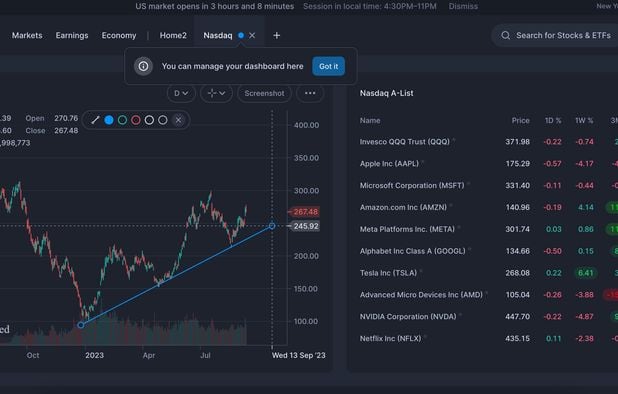
Top 10 Tips For Assessing Regulatory Compliance Using Ai For Trading Platforms That Predict Stocks Or Analyze Their Performance.
Regulatory compliance plays a crucial part in the evaluation of AI platforms to predict stock prices and analyze. Compliance is important since it ensures that the platform adheres to rules and legal frameworks. It also safeguards users’ personal information. Here are 10 top suggestions to evaluate the regulatory compliance on these platforms.
1. Verify the License and Registration
Regulatory Authorities: Make sure that the platform is registered with the appropriate regulatory organizations (e.g. SEC US, FCA UK and ASIC Australia) and has a license.
Broker partnerships: Make sure that brokers that are a part of the platform are also properly licensed.
Public records: Go to the website of the regulator to find out whether the platform is licensed or if it’s ever violated the law.
2. Look for data privacy Compliance
GDPR: If you operate or serving users within the EU, ensure your platform is compliant with the General Data Protection Regulation (GDPR).
CCPA : California Consumer Privacy Act (CCPA) conformity should be checked by the users.
Data handling policies. Check the privacy policies and ensure that it clearly outlines how data about users is collected, shared, and kept.
3. Evaluating Anti-Money Laundering / AML Measures
AML Policies: Make sure the platform has AML policies that are robust to detect and stop money laundering.
KYC Procedures: Check if the platform has procedures in place to verify the identities of its users.
Monitoring transactions: Find out if the platform monitors transactions for suspicious activities and reports it to the appropriate authorities.
4. Check for Compliance With Trading Regulations
Market manipulation: Make sure the platform is equipped with measures to protect against market manipulation for example, spoofing or washing trading.
Order types: Verify if the platform complies with regulations regarding order types (e.g., no illegal stop-loss hunting).
Best execution: Verify that the platform is following best execution practices to ensure trades are executed for the best price.
5. Cybersecurity Compliance:
Data encryption – Make sure that the platform uses encryption to protect data while in transit or at rest.
Incident response. Verify that there is clearly identified incident response plan on the platform for cyberattacks and data breaches.
Certifications: Make sure the platform is certified for cybersecurity.
6. Transparency and Disclosure: A Study
Disclosure of fees. Make sure that all charges and fees are clearly disclosed, including any hidden or additional costs.
Risk disclosure: Make sure there is a clear declaration of the risk, especially in high-risk or leveraged trading strategies.
Performance reports – Check for precise and transparent reports on performance that are provided by the platform for its AI models.
7. Check the Compliance with International Regulations
Cross-border trading If you are trading internationally, you must ensure that the platform complies with rules in all the jurisdictions relevant to you.
Tax reporting: Check whether the platform offers tools or reports that aid users in complying with tax regulations (e.g., FIFO rules in the U.S.).
Respect for international sanctions: Ensure that the platform adheres strictly to these and doesn’t allow trading between countries or entities that are banned.
8. Assess Record-Keeping & Audit Trails
Transaction records: The platform must maintain detailed records on all transactions to be used for auditor and regulatory purposes.
User activity logs – Verify that the platform logs all user activities including transactions that are made and any modifications to account settings.
Check for audit readiness: Determine if your platform can provide the required documentation and logs in the event of a regulatory inspection.
9. Examine compliance with AI-specific Regulations
Algorithmic trading regulations: If your platform is able to support algorithmic trading, be sure that it is compliant with the regulations such as MiFID II in Europe or Reg SCI in the U.S.
Fairness and Bias: Ensure that the platform is monitoring and reduces biases within its AI models in order to guarantee fair trade.
Explainability. Certain regulations may need the platform to describe AI-driven predictions and decisions.
Review User Feedback and the Regulatory History
User reviews: Conduct studies to determine the platform’s reputation regarding legal compliance.
History of regulatory violations – Check to find out if the platform is known for any past penalties or violations of regulations.
Third-party checks: Verify that the platform is in compliance with the law by checking whether it has regular audits from third parties.
Bonus Tips
Legal consultations: You may need to speak with a lawyer in order to establish if the platform is in compliance with the applicable laws.
Free trial period: You can avail a demo or a free trial to test the features that ensure compliance of the platform as well as its documentation.
Support for customers: Make sure the platform provides support for compliance-related queries or issues.
With these suggestions, you can effectively assess the compliance with regulations of AI platforms for stock prediction and analysis making sure you select an option that is within the legal framework and safeguards your interests. Compliance is important as it does not just reduce legal risks, but builds trust and confidence for the platform. See the most popular inciteai.com AI stock app for website advice including ai copyright signals, ai trading tool, how to use ai for stock trading, chart analysis ai, ai trading tool, free ai stock picker, ai tools for trading, ai share trading, ai stock investing, best ai stocks and more.